Best gardeners near Ickenham Station for small front gardens
If you live near Ickenham Station and your front garden is more "neat and tricky" than "big and luxurious," you already know the challenge. A small frontage can look lovely, but only if it is handled with a light touch. The best gardeners near Ickenham Station for small front gardens understand that space is precious, sightlines matter, and a few inches can make the difference between tidy and cramped. This guide breaks down how to choose the right gardener, what good service looks like, and how to get more from a modest front plot without turning it into a maintenance headache.
Small front gardens ask for a different kind of care. They need restraint, good judgement, and a gardener who can see the whole picture, not just the hedge in front of them. Whether you want seasonal upkeep, a fresh tidy-up, smarter planting, or a simple plan that keeps the place looking sharp all year, this article will help you decide what to ask for and what to avoid. And yes, a small garden can still make a strong first impression. Sometimes stronger, actually.
Table of Contents
- Why Best gardeners near Ickenham Station for small front gardens Matters
- How Best gardeners near Ickenham Station for small front gardens Works
- Key Benefits and Practical Advantages
- Who This Is For and When It Makes Sense
- Step-by-Step Guidance
- Expert Tips for Better Results
- Common Mistakes to Avoid
- Tools, Resources and Recommendations
- Law, Compliance, Standards, or Best Practice
- Options, Methods, or Comparison Table
- Case Study or Real-World Example
- Practical Checklist
- Conclusion
- Frequently Asked Questions
Why Best gardeners near Ickenham Station for small front gardens Matters
Front gardens do a lot of quiet work. They frame the house, soften hard edges, and set the tone before anyone reaches the door. In a smaller space near Ickenham Station, there is very little room for error. A plant that grows too wide, a hedge cut too late, or a border packed too tightly can quickly make the whole area feel cluttered.
That is why choosing the right gardener matters so much. A skilled local gardener will understand how to balance structure and softness, keep access clear, and make a compact garden look intentional rather than squeezed. The difference is easy to spot on a rainy weekday morning: one frontage looks crisp and calm, the other looks like it has been left to fend for itself. Truth be told, small gardens show every decision.
Local knowledge helps as well. Around Ickenham, you see a mix of suburban frontages, paved entries, narrow planting strips, and plots that need careful low-maintenance solutions. Good gardeners know how to work with that reality. They do not simply bring a mower and hope for the best. They think about light, drainage, privacy, foot traffic, and how the garden will look from the pavement as well as from the window.
If you want a broader view of what a professional gardening company can handle, it is worth looking at a provider's services overview and learning more about the team through their about us page. That gives you a better sense of whether they are set up for proper residential work, not just one-off tidy-ups.
How Best gardeners near Ickenham Station for small front gardens Works
For a small front garden, the process usually starts with a close look at what the space is already doing well and where it is getting in its own way. A good gardener will assess the shape of the plot, the soil, the amount of sunlight, existing shrubs, and the level of maintenance you can realistically keep up with.
Then comes the practical part. In many cases, the work falls into a few clear stages:
- Initial assessment: checking the layout, identifying problem areas, and understanding how you use the entrance.
- Clearance and tidying: removing dead growth, edging, leaf build-up, and any awkward overcrowding.
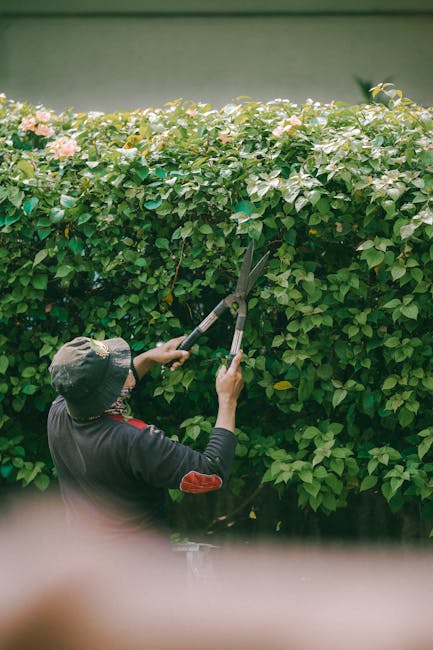
- Selective pruning: cutting back shrubs and hedges so they still look natural, not hacked about.
- Planting or replanting: adding compact plants that suit the scale of the space.
- Finishing touches: mulching, sweeping, and making sure the front looks finished rather than just "done."
That last step is easy to overlook, but it matters. A tidy front garden should look calm in all seasons, not just immediately after a cut. You want clean lines, healthy plants, and a space that is simple to live with. If you are comparing service options, a useful place to start is the company's pricing and quotes information, because small gardens often benefit from a clear, tailored approach rather than a generic package.
Not every front garden needs a redesign. Sometimes the best outcome is a cleaner version of what is already there. Less fuss, more control. That can be the smartest move.
Key Benefits and Practical Advantages
Small front gardens have a few quiet advantages if they are managed well. A good gardener knows how to make those advantages show up in daily life, not just in photos.
- Better kerb appeal: A neat frontage makes the whole property feel more cared for, which matters whether you are staying put or planning to sell later.
- Easier maintenance: Compact planting, well-chosen shrubs, and defined edges mean less time fighting growth that has taken over.
- More space efficiency: In a tight area, every plant and pathway choice should earn its place.
- Safer access: Clear paths, proper trimming, and sensible layouts reduce trip hazards and awkward squeezes by the gate.
- Better plant health: Crowded front gardens often suffer from poor airflow and too much competition for light.
- Cleaner seasonal appearance: A small space can be kept looking polished with relatively little effort if the structure is right.
There is also a psychological benefit that people do not always mention. Walking up to a front garden that feels orderly and welcoming is oddly settling after a busy day. You notice it more in winter, when the light is flat and the pavement is damp, but it helps year-round.
For many homeowners, the other major win is consistency. If you find a gardener who understands your frontage, they can keep it on track with repeat visits and prevent the "wild then hacked back" cycle that small gardens often fall into. That cycle, by the way, is exhausting.
Who This Is For and When It Makes Sense
This kind of gardening service is especially useful if your front garden is small, visible, and easy to overfill. It makes sense for people who want the place to look tidy without spending every weekend managing it themselves.
You may be a good fit if you:
- have a narrow front plot with limited planting room
- want lower-maintenance planting that still looks attractive
- need hedges, shrubs, or borders kept neat and compact
- have accessibility concerns and want a clear, safe entrance
- are preparing a property for viewings or a fresh season
- simply do not have the time or tools to keep on top of it
It also makes sense if your current garden feels a little "busy." Many small front gardens get planted with good intentions, then the plants grow faster than expected. One spring you have a pleasant border, and by mid-summer the path feels half-width. Happens all the time.
If you are a landlord, a homeowner, or someone managing a property near the station where first impressions count, a reliable gardener can help keep standards steady. And if you prefer to work with a team that is clear about process and customer care, it can be useful to review pages like insurance and safety and health and safety policy before booking.
Step-by-Step Guidance
If you are trying to choose the best gardeners near Ickenham Station for small front gardens, use a simple process. It keeps the decision sensible and stops you being swayed by a neat van or a fast promise. Nice van, not enough.
- Define what "good" looks like for your front garden. Do you want tidy and minimal, or a little colour with structure? Be specific. "Just make it look better" is understandable, but not very helpful on its own.
- Measure the real workload. Note the size, the main plants, access points, and anything awkward like steep edging, tight steps, or a shared path.
- Choose the type of help you need. That might be one-off clearance, regular maintenance, hedge trimming, light planting, or a full reset of the frontage.
- Ask how they handle small spaces. Some gardeners are brilliant with large gardens but less thoughtful with compact ones. Small plots need precision.
- Request a written quote or clear estimate. This helps you compare like for like. If costs matter, start with the company's contact us route and ask for a tailored quote.
- Check practical trust factors. Look for insured work, straightforward communication, and sensible timing.
- Agree on the maintenance rhythm. Small gardens often work best with regular light care rather than occasional heavy intervention.
A useful trick: ask what they would not do as well as what they will do. Good gardeners are usually comfortable saying, "I would not plant that there," or "I would cut this back more gently." That honesty is a good sign.
If you want to understand how bookings, payments, and handling are set up, a quick read of the payment and security page can also remove a lot of uncertainty. People forget that part until the invoice arrives. Best to ask early.
Expert Tips for Better Results
Small front gardens reward restraint. The biggest mistake is often trying to make them do too much. A smart gardener will choose a few strong elements and let them breathe.
Use structure first, colour second
In compact spaces, structure carries the design. That means edging, shape, height control, and repeated forms matter more than stuffing in lots of different plants. A neat evergreen base with one or two seasonal accents usually works better than a jumble of competing textures.
Keep the height controlled
Front gardens near walkways, paths, and gates can feel cramped if shrubs get too tall or too wide. Low, well-cut planting often looks more expensive than overgrown abundance. Oddly enough, less really does read as more in a small frontage.
Choose plants that are forgiving
Compact shrubs, tidy perennials, and tough planting that does not need constant fuss are often best. Your gardener should be able to explain why a plant suits the space, not just whether it looks nice in the tray.
Think about what the garden looks like in February
Many front gardens look fine in June and poor in late winter. You need year-round shape, not just summer colour. A few evergreen anchors, sensible pruning, and clean edges make a huge difference when everything else is bare.
Ask for maintenance that matches your life
If you only want occasional help, say so. If you want weekly or monthly visits, say that too. The best gardeners near Ickenham Station for small front gardens will shape the work around your real routine, not an ideal one that never happens. To be fair, none of us lives in the ideal version of a week.
One more practical note: ask about sustainability if that matters to you. Many homeowners now prefer green waste to be handled responsibly, pruning to be done thoughtfully, and materials to be reused where possible. A provider with a clear recycling and sustainability approach is usually a good sign that they think beyond the immediate job.
Common Mistakes to Avoid
Small front gardens can go wrong in ways that are easy to miss at first. Here are the ones we see most often.
- Overplanting: Too many plants make a small garden feel crowded and awkward.
- Choosing high-maintenance species: Beautiful in theory, demanding in real life.
- Ignoring mature size: A plant that looks tiny in spring may be twice the width by late summer.
- Cutting everything back too hard: Harsh pruning can leave a frontage looking blunt and unhealthy.
- Forgetting the approach from the street: Front gardens should look good from a few angles, not only from the front door.
- Skipping regular upkeep: Small spaces deteriorate quickly if left for too long between visits.
- Not checking access or waste removal: If clippings and cuttings build up, the job never feels finished.
Another mistake is treating a front garden like a back garden. The front is more exposed, more public, and often more visible from the house. That changes how you plan the work. A front garden that is technically healthy but visually messy still feels wrong. You know it when you see it.
And then there is the classic one: buying plants because they look good in the moment. We have all been tempted. A sunny nursery in May can make almost anything seem like a wise decision. Then it rains for a week and reality arrives.
Tools, Resources and Recommendations
You do not need a whole shed full of kit to keep a small front garden in good shape, but a professional gardener should arrive with the right tools for neat, controlled work.
Typical tools and materials for compact front garden maintenance may include:
- secateurs for clean pruning
- loppers for thicker stems
- hedge trimmers for controlled shaping
- a mower or edging tool if there is a lawn strip
- hand forks and trowels for tighter planting areas
- mulch or compost to improve soil and retain moisture
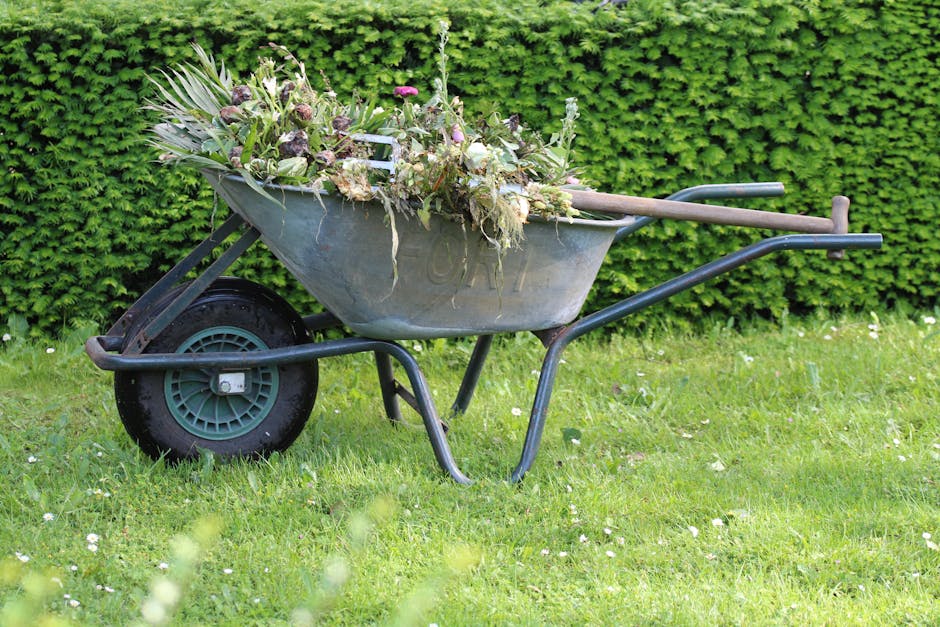
- gloves, sweeping tools, and waste bags for a proper finish
From a homeowner's point of view, the most useful "resource" is a clear brief. A few photos, a rough sketch, or even a quick walk-through with the gardener can save time and prevent misunderstandings. If a company offers straightforward service information, that is helpful too; the services overview is a sensible place to understand the scope of what can be done.
It also helps to keep a simple seasonal note for yourself:
- Spring: refresh beds, check growth, and tidy winter damage.
- Summer: keep an eye on overgrowth and watering needs.
- Autumn: clear leaves, cut back where appropriate, and protect the structure.
- Winter: maintain shape and keep pathways safe and visible.
None of this needs to be complicated. Small gardens do best with steady, repeatable care. Fancy is not the goal.
Law, Compliance, Standards, or Best Practice
For ordinary front garden work, the main concerns are usually practical rather than legal. Still, a professional gardener should work safely, act responsibly around neighbouring property, and handle waste properly. If a job involves ladders, powered tools, or awkward access, safety standards matter a great deal.
In the UK, good practice typically means using equipment properly, wearing suitable protective gear, and managing waste in a way that does not create avoidable nuisance. If plants overhang boundaries or shared access areas, sensible communication with neighbours can prevent hassle. Not glamorous, but useful.
It is also reasonable to check whether a gardening business carries appropriate insurance and follows its own safety procedures. That is especially relevant if the work involves pruning at height, using machinery, or working close to public walkways. A company's insurance and safety information should help put your mind at ease.
For service terms, payment expectations, and complaint handling, reputable providers will usually set this out clearly. You can review their terms and conditions and complaints procedure if you want to understand how they handle issues. That may sound a little formal for a garden job, but it is exactly the kind of detail that separates tidy operations from messy ones.
Options, Methods, or Comparison Table
When choosing how to manage a small front garden, most homeowners end up considering one of three approaches. The right choice depends on time, budget, and how polished you want the frontage to look.
| Approach | Best for | Pros | Watch-outs |
|---|---|---|---|
| One-off tidy-up | Overgrown or neglected small front gardens | Fast improvement, immediate visual impact | Needs follow-up or it slips back again |
| Regular maintenance | Homeowners who want steady kerb appeal | More consistent, easier to budget, less stress | Requires ongoing commitment |
| Light redesign and planting refresh | Frontages that need better structure | Can improve look and maintenance long-term | Needs careful planning to avoid crowding |
For many small front gardens, regular maintenance wins. Not because it is the most exciting option, but because it keeps things under control. A compact plot does not need a dramatic intervention every time; it needs rhythm.
If you are comparing providers, look for three things above all else: clarity, responsiveness, and experience with small spaces. A gardener who understands compact front gardens will speak differently. They will ask better questions, notice the awkward corners, and suggest simpler solutions. That is usually the clue.
Case Study or Real-World Example
Here is a realistic example. A homeowner near Ickenham Station had a small front garden with a narrow path, a couple of mature shrubs, and a border that had become too full after several seasons of adding "just one more plant." The result was a frontage that looked slightly tired, even though the plants themselves were healthy enough.
The gardener started by thinning the crowded area rather than stripping it bare. One shrub was reduced carefully, another was reshaped to keep the path clear, and a few plants that were competing for space were moved or replaced with more compact choices. The border edges were redefined, and the soil was topped up with mulch to help hold moisture and make the space feel finished.
The effect was subtle but strong. The front looked wider, the door approach felt calmer, and the homeowner could water and maintain it without spending half a Saturday crouched on the path. That is often the sweet spot with small gardens: not flashy, just much better.
What made the difference was not a dramatic redesign. It was judgement. Less crowding, better scale, cleaner lines. Simple things, done properly.
Practical Checklist
Use this checklist before booking a gardener for a small front garden near Ickenham Station.
- Define your main goal: tidy-up, maintenance, planting refresh, or all three.
- Note any tight access, steps, or awkward boundaries.
- Decide how low-maintenance you want the garden to be.
- Ask whether the gardener has experience with small front gardens specifically.
- Request a clear quote or estimate before work begins.
- Check for sensible insurance and safety practices.
- Ask how waste, clippings, and green material are handled.
- Make sure the suggested plants suit the size of the space.
- Confirm how often the garden will need follow-up care.
- Review communication style: are they clear, practical, and responsive?
If a provider is transparent and easy to speak to, that usually saves time later. You can also use their contact page to ask a few simple questions before you commit. Good gardeners do not mind good questions. In fact, they usually welcome them.
Conclusion
Choosing the best gardeners near Ickenham Station for small front gardens is really about matching skill to scale. A small frontage needs neatness, good plant choices, and a light touch. The right gardener will make the space look larger, calmer, and easier to live with without turning it into a high-maintenance project.
Keep your focus on practical results: clear access, sensible planting, tidy edging, reliable upkeep, and a layout that suits your everyday routine. That is where real value lives. Not in overblown promises, but in the small improvements you notice every time you come home.
Get a free quote today and see how much you can save.
And if you are still weighing things up, that is fair enough. Take your time, ask the right questions, and choose the gardener who feels steady, thoughtful, and easy to trust. A well-kept front garden has a quiet kind of confidence about it, and that never really goes out of style.
Frequently Asked Questions
What should I look for in a gardener for a small front garden near Ickenham Station?
Look for someone who understands compact spaces, can prune neatly, suggests practical plant choices, and explains how they will keep the garden manageable over time. Experience with small front gardens matters more than flashy presentation.
How often should a small front garden be maintained?
That depends on the planting and how tidy you want it to look. Many small front gardens benefit from regular light maintenance rather than occasional heavy cuts. For some homes, monthly visits are enough; for others, seasonal work plus occasional tidy-ups works better.
Is a one-off tidy-up enough for an overgrown front garden?
It can be a good start, especially if the space has slipped a bit. But if plants are fast-growing or crowded, a one-off visit may not hold its shape for long. Follow-up care usually keeps the result looking sharp.
Do small front gardens need a full redesign?
Not always. In many cases, better pruning, smarter spacing, and a few plant changes are enough. A full redesign makes sense only if the layout is awkward or the existing planting is genuinely wrong for the space.
What plants work best in a compact front garden?
Usually, compact, forgiving plants with controlled growth are best. The exact choice depends on light, soil, and how much maintenance you want. A good gardener will suggest plants that stay in scale rather than taking over the whole frontage.
How do I compare gardeners fairly?
Compare more than price. Look at responsiveness, clarity, insurance, safety awareness, and whether they have a sensible plan for small spaces. A clear quote and a realistic approach are often better than the cheapest offer.
Can a gardener help make a small front garden look bigger?
Yes. Careful pruning, reduced clutter, better edges, and a calmer planting layout can make a surprising difference. The eye reads openness more easily when the space is tidy and the scale is controlled.
Should I ask about waste removal?
Yes, definitely. Even a small garden can create more clippings and debris than expected, especially after pruning. It is sensible to ask how waste is collected, sorted, or disposed of before the work starts.
Is it worth paying for regular maintenance instead of doing it myself?
If time, tools, or confidence are limited, regular maintenance can be worth it. It saves you from the stop-start cycle where the garden gets untidy, then overcut, then untidy again. A steady routine usually looks better and feels easier.
How do I get a quote for gardening near Ickenham Station?
The easiest route is to contact the team directly and describe your front garden, its size, and what you want done. If you want a clearer idea of costs and how quotes are handled, the pricing and quotes page is a sensible place to begin.
What if I have concerns after the work is done?
Check whether the company has a clear complaints process and makes communication easy. It is always better when a business explains how to handle issues upfront. That way, everyone knows where they stand.
Are there any special safety concerns with front gardens near busy streets or station areas?
Yes. Access, tools, foot traffic, and debris all need to be handled carefully, especially where paths or boundaries are close to the pavement. A professional gardener should work neatly, keep entrances clear, and follow sensible safety practice.