UB10 gardeners guide to streets estates in Ickenham
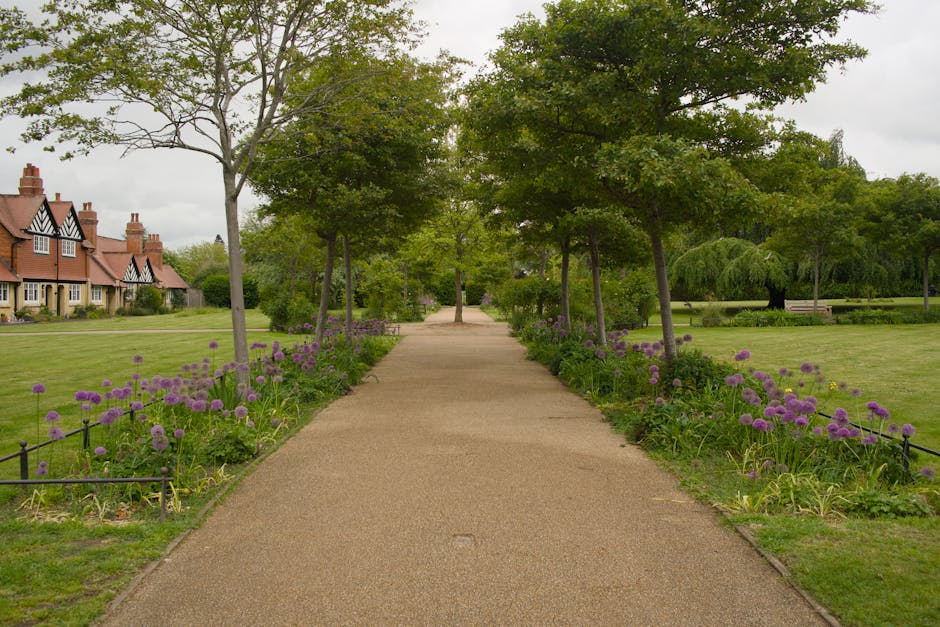
If you live in UB10 and you're trying to make sense of garden care across the streets and estates in Ickenham, you're not alone. Some gardens here are compact and tidy, some are long rear plots with awkward access, and a few need a proper reset after a season or two of being left to its own devices. The UB10 gardeners guide to streets estates in Ickenham is about understanding those differences and making the right decisions for your space, your budget, and your neighbours. Simple as that. Well, mostly simple.
In this guide, you'll find practical advice on what usually works best in local gardens, how to plan maintenance sensibly, what to avoid, and when it makes more sense to bring in support from a professional team. You'll also find a clear step-by-step approach, a realistic comparison of methods, and a checklist you can use straight away. If you're weighing up ongoing care versus a one-off tidy-up, this should help.
Why UB10 gardeners guide to streets estates in Ickenham Matters
Gardens in and around Ickenham are often shaped by a few practical realities: access, privacy, shared boundaries, drainage, and the pace at which front and rear spaces pick up growth. On estates especially, a garden can look neat from the road but still hide a lot of work at the back. That's why a local guide matters. It's not just about cutting grass or trimming a hedge; it's about knowing what type of maintenance suits the layout, the season, and the way the property is used.
Let's face it, a garden that's slightly out of balance can snowball quickly. A hedge grows a bit too far, grass starts to hold moisture, the border weeds creep in, and suddenly the whole place feels harder to manage. In a dense residential area, that can affect kerb appeal, light into the house, and even how easy it is to use the garden day to day. A sensible plan helps you stay ahead of that.
There's also a local social side to this. On streets and estates, garden standards often become a shared expectation. Nobody wants overgrown edges brushing the pavement, or a rear boundary that starts looking tired and neglected. Good garden care is one of those quiet things that lifts the whole street without making a fuss. You notice it more when it's missing, really.
If you want a broader view of what a full-service approach can include, it helps to look at a services overview and match the work to the condition of the garden. In some cases that means ongoing upkeep. In others it means a bigger tidy-up first, followed by lighter maintenance.
How UB10 gardeners guide to streets estates in Ickenham Works
The process is usually straightforward, but it works best when you do it in the right order. First, you assess the garden honestly. Not just the obvious bits. Look at the lawn, hedge lines, borders, pathways, fences, access points, and anything that's become blocked by growth. Then decide whether you need regular maintenance, one-off clearance, or a wider improvement plan.
In practical terms, a good local gardening plan often includes a mix of these tasks:
- Lawn care to keep grass at a manageable height and improve appearance.
- Hedge trimming to stop boundaries from becoming heavy or uneven.
- Garden clearance to remove waste, cut back overgrowth, and reset neglected areas.
- Garden maintenance to keep the work from building up again.
- Landscape or design improvements if the layout itself needs attention.
For many homes, the first decision is whether the space needs a tidy-up or a proper restoration. If the answer is "a bit of both," that's normal. A garden can be in decent shape overall but still have one problem area that needs stronger intervention. A cramped side passage, a hedge that leans into a neighbour's light, or a patchy lawn near shade can all change the plan.
To put it another way: good garden care is less about one big heroic effort and more about knowing what belongs in the first pass, what belongs in the second, and what can wait. That sounds boring. It isn't, when the rain starts and you realise the compost heap has turned into a small ecosystem.
When choosing help, details matter. Access, disposal, timing, and the type of plants involved can all affect the work. If you are comparing options, it may be useful to review garden maintenance for routine care, or garden clearance if the space has become too much to manage in one visit.
Key Benefits and Practical Advantages
The main advantage of a structured garden approach is control. You get fewer surprises, less waste, and a garden that feels easier to use. That sounds obvious, but in real life it makes a big difference. A controlled, well-kept garden is also safer to move through, easier to enjoy, and usually less expensive to restore than a garden that has been left for too long.
Here are the benefits people usually notice first:
- Better kerb appeal: tidy frontage and clean edges change the whole look of a property.
- More usable space: trimmed growth and cleared paths make the garden feel bigger.
- Healthier planting conditions: less crowding can mean better light and airflow.
- Lower stress: regular maintenance avoids the "I'll deal with it later" spiral.
- Improved neighbour relations: neat boundaries and controlled growth reduce friction.
Another quiet benefit is predictability. If you keep on top of a garden, you can plan around seasons rather than reacting to them. Spring growth, summer mowing, autumn leaf drop, winter cuts - each period has its own rhythm. Once you know that rhythm, the work feels less like a burden and more like maintenance, which is what it should be.
Expert takeaway: in UB10 and across Ickenham's streets and estates, the best results usually come from combining regular maintenance with occasional reset work rather than waiting for a complete overhaul.
If sustainability matters to you, a garden plan can also be shaped around reuse and responsible waste handling. You can read more about recycling and sustainability to understand how green waste and clippings can be managed in a more considered way.
Who This Is For and When It Makes Sense
This guide is useful for a few different groups, and they all have slightly different needs. A homeowner with a small front garden is not facing the same issues as someone looking after a long rear plot, and a landlord or letting agent has different priorities again. That's fair enough.
You'll probably benefit from this approach if you are:
- a homeowner who wants the garden to stay tidy without weekend overload;
- a tenant who needs to maintain the space properly and avoid disputes;
- a landlord preparing a property for viewings or new occupants;
- a family with limited time who needs reliable, recurring upkeep;
- someone dealing with overgrowth after illness, travel, or a busy season;
- a resident on a street or estate where the front and back gardens are visible and matter to the overall look of the property.
It also makes sense if you've noticed small signs that the garden is drifting. Maybe the lawn is thinning at the edges, the hedge is taking on a lopsided look, or the beds are becoming difficult to weed. Those are the moments to act, not when everything has already run away with itself.
There's no shame in that, by the way. Most gardens only stay neat because somebody keeps nudging them back into shape. Nature is cheerful like that, but relentless too.
Step-by-Step Guidance
If you want a clear plan, use this sequence. It keeps the work sensible and stops you chasing your tail.
- Walk the entire garden. Look at every zone: front, side, rear, borders, hard surfaces, and boundary lines.
- Separate urgent work from cosmetic work. Anything affecting access, safety, or neighbour boundaries comes first.
- Decide whether the garden needs clearance or maintenance. If it is overgrown, start with clearance. If it is already manageable, move to routine care.
- Plan the order of tasks. Usually it makes sense to clear, cut back, mow, edge, and then finish with finer detail.
- Think about disposal. Grass, hedge cuttings, branches, and mixed green waste all need sensible handling.
- Review access and timing. Estate gardens can have narrow side entries, shared paths, or limited parking. That affects what can be done in one visit.
- Set a follow-up rhythm. A one-off tidy-up is useful, but regular visits stop the garden slipping again.
In many cases, a simple combination works best: a heavier first visit followed by lighter seasonal visits. For example, a late spring cutback and tidy-up can make summer mowing much easier. Likewise, an autumn clearance often prevents wet leaf litter from turning the garden into a slippery mess.
If a garden needs more than surface-level tidying, you may also want to consider whether structural improvements would help long term. That could involve layout changes or hard landscaping. If so, browsing landscape gardening and landscaping can help you think about the next stage without jumping in too quickly.
Expert Tips for Better Results
Here's where a little practical judgement saves a lot of effort. The biggest mistake people make is treating every garden the same. A shaded estate garden with compacted soil needs a different rhythm from a sunny plot with fast grass growth. One-size-fits-all advice tends to fall apart pretty quickly.
Try these tips instead:
- Cut little and often where possible. A small amount of regular work is easier on the garden and easier on you.
- Don't shear everything into one shape. Hedges and shrubs need the right cut for the plant, not just a neat line.
- Check boundaries before trimming. A hedge that crosses a boundary can become a small argument waiting to happen.
- Leave time for detail. The edge line, the path sweep, and the finishing touch often make the job look properly done.
- Match the task to the season. Heavy work in the right month is usually more effective than desperate midwinter tidying.
A good garden usually has one thing in common: somebody noticed the small stuff early. A grass edge cut cleanly. A hedge reduced before it gets woody. A border weeded before it seeds. That kind of attention saves time later, and yes, it's a bit less glamorous than a dramatic makeover. But it works.
If trees are part of the picture, don't ignore them. Small trees and mature specimens can change light levels, root competition, and the amount of leaf litter in a garden. In those situations, a careful review of tree lopping and removal may be relevant, especially where safety or garden balance is affected.
Common Mistakes to Avoid
Most garden problems in local residential areas are not dramatic. They start with delay, then drift into frustration. The same few mistakes crop up again and again.
- Waiting until everything is overgrown. It costs more effort and usually feels harder to start.
- Overcutting hedges or shrubs. A hard cut can leave bare patches or stress the plant.
- Ignoring the lawn's condition. Mowing alone does not fix compaction, moss, or poor drainage.
- Forgetting disposal. A tidy garden can turn messy fast if cuttings are left piled up.
- Working in the wrong order. For example, mowing before clearing debris just makes extra work.
- Overlooking shared spaces. On streets and estates, paths, frontage, and boundaries can matter just as much as the rear garden.
One more thing: don't assume every plant responds well to the same treatment. A shrub, a hedge, and a small ornamental tree each have different tolerances. That's where a bit of care beats brute force every time. Truth be told, many gardens are damaged by enthusiasm rather than neglect.
Tools, Resources and Recommendations
You do not need a van full of equipment to manage a typical UB10 garden, but you do need the right basics. Good tools reduce stress, save time, and improve the finish. If you're doing parts of the work yourself, keep things simple and realistic.
Useful tools for routine garden care include:
- a reliable lawn mower suitable for your garden size;
- shears or hedge trimmers for boundary maintenance;
- gloves and sturdy footwear;
- a rake and garden waste bags or containers;
- secateurs for smaller stems and dead growth;
- a broom or leaf collector for paths and paving;
- basic eye protection when cutting or clearing dense material.
For many households, the real resource is not just tools but time. If you only have an hour here and there, a sensible schedule matters more than buying more kit. In those cases, a recurring maintenance plan can be more efficient than trying to do everything in one burst at the end of the month.
You might also want to look at service detail pages for a clearer idea of what can be handled separately. Lawn mowing is often the easiest place to start, while hedge trimming is usually the task that changes how a garden feels most quickly.
And if the garden has become cluttered or is full of waste from a long break in upkeep, a one-off clearance service can reset the space so that any future maintenance actually sticks. That part matters more than people think.
Law, Compliance, Standards, and Best Practice
For garden work in residential areas, the main practical concerns are usually safety, responsibility, neighbour relations, and waste handling. Exact legal duties can vary depending on the situation, so it is wise to treat compliance carefully rather than casually. If a job involves taller trees, shared boundaries, public-facing fronts, or difficult access, caution is sensible.
Good practice generally means:
- working safely around tools and ladders;
- avoiding damage to fences, walls, paths, and neighbouring property;
- disposing of waste responsibly;
- checking whether any trees or boundary plants need specialist attention;
- respecting access arrangements in shared or estate settings;
- keeping clear communication if work may affect neighbours.
For service providers, insurance and safety arrangements matter as well. For homeowners, it's worth knowing how these standards are handled before someone starts cutting back near structures or working in tight spaces. If you're comparing providers, the pages on insurance and safety and health and safety policy can help you understand the kind of approach a professional team should be taking.
Waste and payment practices also matter in a practical sense. Clear pricing, secure payment handling, and a tidy end-of-job process are all part of a professional experience. You can look at pricing and quotes and payment and security if you want to know what a clearer customer journey looks like. It's not flashy, but it's reassuring.
Options, Methods, or Comparison Table
Choosing the right approach depends on how far the garden has slipped and how much time you want to spend keeping it in shape afterwards. Here's a straightforward comparison.
| Approach | Best for | Pros | Limitations |
|---|---|---|---|
| DIY maintenance | Small, manageable gardens with light growth | Flexible, low cost, good for keeping on top of simple jobs | Time-consuming, easy to delay, can be inconsistent |
| One-off clearance | Overgrown or neglected gardens | Fast reset, visible improvement, easier to maintain afterwards | Does not prevent regrowth unless followed up |
| Regular professional maintenance | Busy households, rental properties, visible front gardens | Consistent results, less stress, better presentation | Requires ongoing scheduling and budget planning |
| Landscape improvement | Gardens with awkward layout, poor use of space, or worn features | Long-term value, better flow, more usable space | More planning and usually a bigger commitment |
For many homes in UB10, the best answer is a combination: clear the space, tidy the key growth points, then switch to maintenance. That gives you a cleaner finish without trying to solve everything at once. And honestly, that is usually the less stressful route.
Case Study or Real-World Example
Picture a typical estate garden in Ickenham: a modest front lawn, a hedge along one boundary, a rear garden with a narrow side access, and a few borders that have slowly become crowded. Nothing dramatic at first glance. But after a few weeks of rain and growth, the hedge leans out, the lawn edges soften, and the side path becomes awkward to walk through with recycling bins or a garden sack.
In a case like that, the sensible sequence is usually:
- clear the access route first;
- reduce and shape the hedge;
- mow and edge the lawn;
- remove dead material and clutter from borders;
- review whether anything needs a more permanent fix.
What changes after that is not just appearance. The space becomes easier to use. The owners can water, weed, and mow without fighting through growth. The garden stops feeling like a problem. That shift is subtle, but it matters. You feel it the first time you step outside on a quiet Saturday morning and realise the whole place just looks calmer. That's the nice bit.
If the same garden had trees blocking light or dropping too much debris, a careful review of tree work may be needed too. Not always. But sometimes it's the difference between a garden that looks "a bit tired" and one that becomes genuinely pleasant again.
Practical Checklist
Use this checklist before deciding what your garden needs next:
- Have I walked the full boundary and checked every area, not just the obvious one?
- Is the main issue overgrowth, routine upkeep, or a mix of both?
- Are paths, side access, or front edges becoming difficult to use?
- Do the lawn, hedge, and borders all need separate attention?
- Is there waste that needs removing rather than simply moving around?
- Could any part of the work affect a neighbour's space or light?
- Would a one-off clearance make maintenance easier afterwards?
- Do I have the time and tools to keep the space under control each month?
- Would professional support save time, stress, or repeat effort?
- Have I planned the next visit, not just the current one?
Practical summary: if a garden is slipping, act early, clear first, maintain second, and avoid the trap of waiting for a perfect free weekend that never arrives.
Get a free quote today and see how much you can save.
Conclusion
UB10 gardens in Ickenham respond best to calm, regular attention and a clear plan. Whether you're keeping on top of a small estate plot or bringing a neglected garden back into shape, the basic logic stays the same: assess honestly, clear what blocks progress, then build a maintenance rhythm that suits real life. Not ideal life. Real life.
If you remember nothing else, remember this: a good garden is rarely an accident. It is usually the result of small, steady decisions made before the mess gets too comfortable. And once the space is back under control, it is easier to enjoy the morning light, the quiet, the smell of cut grass, and the little sense of order that makes a house feel more like home.
When you're ready to move from planning to action, take the next sensible step and keep it simple. The garden will thank you for it, eventually. Perhaps not immediately, but definitely eventually.
Frequently Asked Questions
What does a UB10 gardeners guide to streets estates in Ickenham actually cover?
It covers the practical side of managing gardens in the UB10 area, especially where street layouts, estate boundaries, access, and regular upkeep all affect the work. It is about making good choices for real gardens, not idealised ones.
How often should a typical garden in Ickenham be maintained?
That depends on the garden size, the season, and how fast things grow, but most residential spaces benefit from regular attention rather than long gaps. A little often is usually easier than a big rescue later.
When is garden clearance better than maintenance?
Clearance makes more sense when the garden has become overgrown, cluttered, or difficult to access. Maintenance is better once the space is already in a manageable condition and you want to keep it that way.
Can I manage a front and rear garden myself?
Yes, if the work is light and you have enough time. The challenge is consistency. Front gardens often need quick, frequent attention, while rear gardens can hide problems until they become bigger.
What are the most common garden jobs in estate properties?
In many estate settings, the usual jobs are lawn mowing, hedge trimming, border tidying, weed control, and waste removal. Access and boundary lines often matter just as much as the garden itself.
Is hedge trimming just about making things look neat?
No. A well-timed trim can also help manage size, improve shape, and stop a hedge from becoming too heavy or awkward. Done badly, though, it can leave bare sections or stress the plant, so care matters.
What should I look for in a garden service quote?
Look for clarity on what is included, what waste handling looks like, how the work will be carried out, and whether the provider explains timing and access needs clearly. Vague quotes can lead to vague outcomes.
Do I need special help for tree work in a residential garden?
If the tree is small and the work is simple, maybe not. But if there are safety concerns, difficult access, or larger branches involved, specialist attention is often the safer and more sensible choice.
What if my garden only needs a seasonal tidy-up?
That is very common. Seasonal work can be enough for some gardens, especially if the space is already in decent condition. Spring and autumn are usually the times when small jobs start piling up.
How do I keep a garden from becoming overgrown again?
Set a routine that fits your life. Keep mowing, edging, pruning, and waste removal on a predictable cycle. It does not need to be perfect. It just needs to be regular enough to stop the reset job becoming necessary all over again.
What if I'm not sure whether I need landscaping or basic maintenance?
Start by judging whether the issue is cosmetic or structural. If the garden is basically fine but untidy, maintenance is usually enough. If the layout is awkward, the space feels underused, or hard surfaces and planting need redesigning, landscaping may be more appropriate.
Where should I start if the garden feels completely out of control?
Start with the most practical barrier: access. Clear the path, remove obvious waste, and reduce the worst overgrowth first. Once you can move safely and see the garden properly, the rest becomes far less overwhelming.